
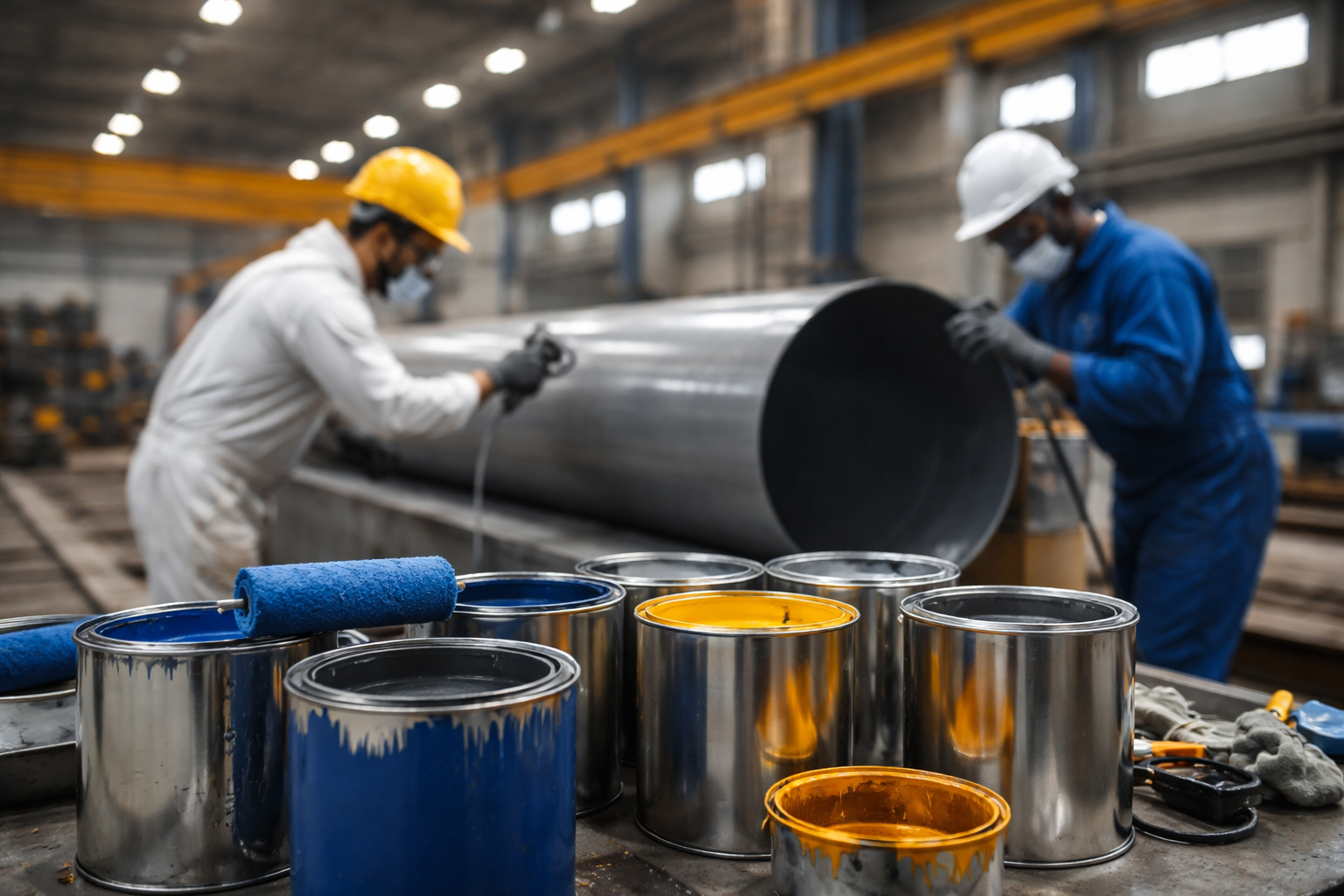
Industrial surfaces face constant exposure to moisture, chemicals, heat, and corrosion. Without the right coating, even the strongest materials can degrade quickly, leading to costly repairs and downtime.
Choosing the right industrial paint is not just a technical decision. It is a long-term investment in durability and performance. Here’s how you can make the right choice.
Key Factors to Consider When Choosing Industrial Paint
1. Analyze Surface Type and Environmental Conditions
Different surfaces require different types of coatings. Metal, concrete, and pipelines each react differently to environmental stress.
For areas exposed to moisture or underground conditions, many industries rely on solutions offered by a trusted bitumenous coatings manufacturer for effective waterproofing and corrosion resistance.
Understanding where and how the surface will be used helps you narrow down the right coating.
2. Prioritize Chemical and Corrosion Resistance
Industrial environments often involve exposure to harsh chemicals, acids, and solvents. This can weaken surfaces over time if the coating is not strong enough.
Choosing high-quality products and looking for essential qualities of chemical resistant paint manufacturers to ensure better protection against chemical damage and extend the life of your infrastructure.
3. Evaluate Durability and Performance
Not all industrial paints are built to last. High-performance coatings provide better adhesion, abrasion resistance, and weather protection.
A durable paint reduces maintenance frequency and ensures consistent performance even in extreme working conditions.
4. Check Application Method and Drying Time
The application process can directly impact project timelines. Some coatings require multiple layers and extended drying periods.
Selecting paints that offer easy application and faster drying can improve efficiency and reduce labor costs without compromising quality.
5. Ensure Safety and Compliance Standards
Safety is a critical factor in industrial settings. Modern coatings are designed to be low in VOCs and environmentally friendly.
Always ensure the paint meets industry safety standards and compliance regulations to protect both workers and the environment.
6. Balance Cost with Long-Term Value
While budget is important, choosing cheaper paints can lead to higher maintenance and replacement costs over time.
Investing in high-quality industrial paint delivers better protection, fewer repairs, and improved cost efficiency in the long run.
7. Choose a Reliable Manufacturer
The manufacturer you choose plays a major role in product performance. A reputable company ensures consistent quality, technical support, and proven results.
Look for manufacturers with strong industry experience and a reliable product portfolio.
Types of Industrial Paints and Their Applications
Not all industrial paints serve the same purpose. Each type is designed to handle specific conditions and surfaces.
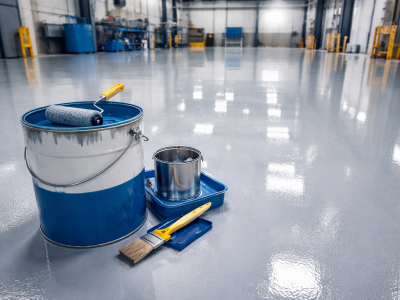
- Epoxy Coatings: Epoxy paints are widely used for their excellent adhesion and strong resistance to chemicals and abrasion. They are ideal for factory floors, machinery, and storage tanks.
- Polyurethane Coatings: These coatings offer superior UV resistance and are perfect for outdoor applications. They help maintain color and finish even under harsh sunlight.
- Acrylic Coatings: Acrylic paints are known for quick drying and weather resistance. They are commonly used in areas where fast application is required.
- Bituminous Coatings: These are best suited for waterproofing and protecting surfaces exposed to moisture, such as pipelines and underground structures.
Common Mistakes to Avoid When Choosing Industrial Paint
Even with the right intention, small mistakes can lead to poor performance and higher costs.
╳ Ignoring Surface Preparation- Applying paint on an unprepared surface reduces adhesion and durability. Proper cleaning and priming are essential for long-lasting results.
╳ Choosing Paint Based Only on Price- Low-cost options may seem attractive, but often lead to frequent maintenance and repainting.
╳ Overlooking Environmental Factors- Failing to consider exposure to chemicals, heat, or moisture can result in premature coating failure.
╳ Not Consulting Experts- Industrial coatings can be complex. Seeking expert advice ensures you choose the most suitable product for your needs.
Conclusion
Selecting the best industrial paint requires a careful evaluation of surface needs, environmental conditions, and long-term performance. The right choice not only protects your assets but also enhances efficiency and reduces maintenance costs.
By focusing on quality, durability, and the right manufacturer, you can ensure long-lasting surface protection for your industrial projects.
Join the conversation
You must be logged in to post a comment.