
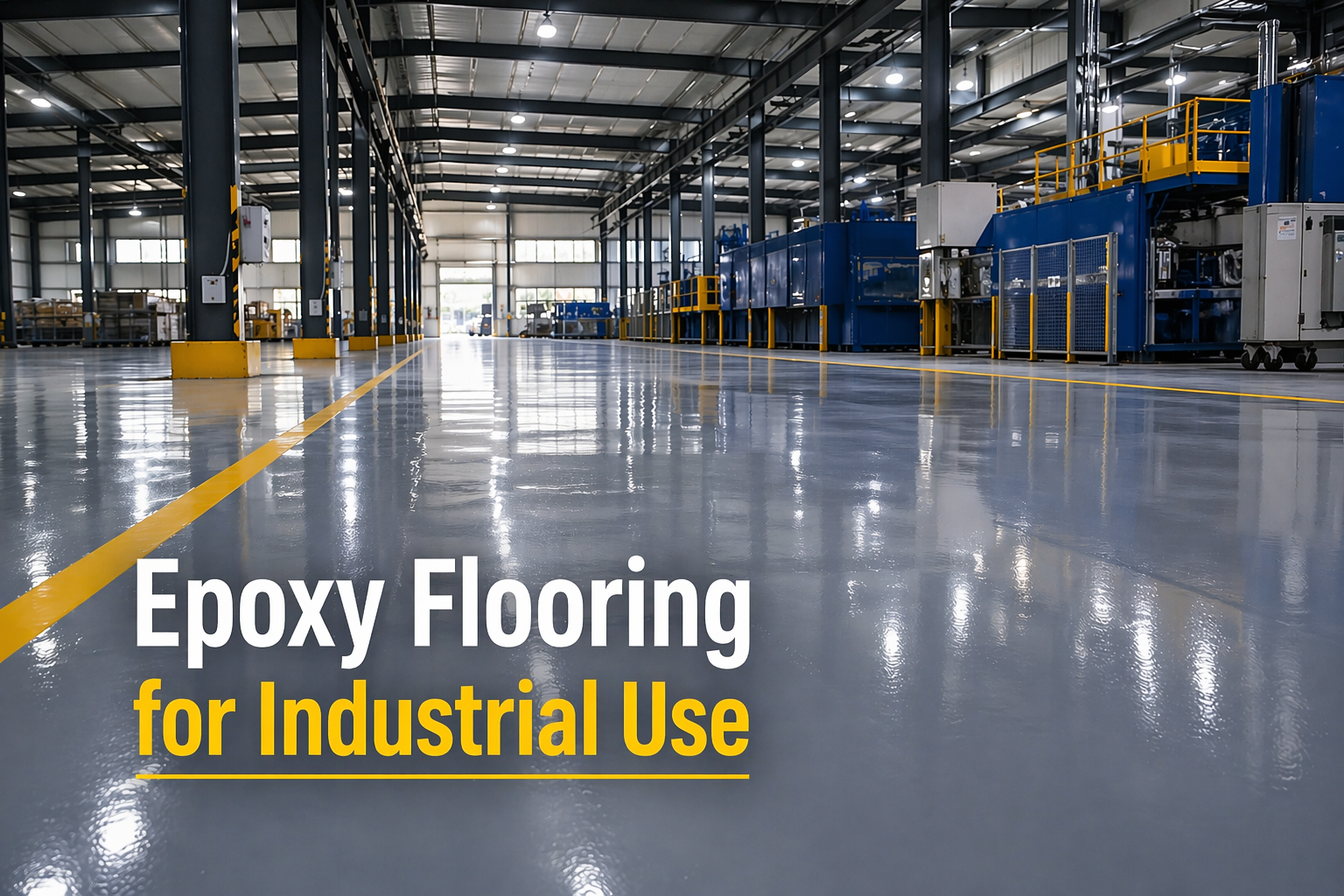
Walk into most factories in Kolkata, and you’ll notice the same issue. Cracked concrete, dust rising with every movement, and patches that have been repaired too many times. It doesn’t just look bad. It slows operations, damages equipment, and quietly eats into profits.
The surprising part? Most of these problems are preventable.
I’ve seen facilities where floors start failing within three years. And I’ve also seen industrial floors that stay intact for over two decades. The difference isn’t luck. It’s a combination of smart material choice, proper application, and long-term thinking.
Let’s break down what actually works.
Why Most Industrial Floors Fail Too Early
Concrete alone isn’t designed to handle constant industrial abuse. Heavy loads, chemical spills, and daily wear slowly break it down.
The real issue starts beneath the surface. Micro-cracks form, moisture seeps in, and eventually the floor begins to crumble. Repairs become frequent, and downtime becomes normal.
This is exactly where epoxy floor paint changes the game.
What Makes Epoxy Floor Paint So Effective?
Epoxy isn’t just a coating. It acts like a protective shield that bonds directly with the concrete surface.
Once applied correctly, it creates a seamless, non-porous layer that resists:
- Heavy mechanical loads
- Chemical spills and oils
- Abrasion from constant movement
Unlike traditional coatings, epoxy floor coating doesn’t sit on top. It integrates with the floor. That’s why it lasts significantly longer.
The 5 Factors That Decide Whether Your Floor Lasts 20+ Years
1. Surface Preparation Is Everything
Most failures happen before the coating is even applied.
If the surface isn’t properly cleaned, ground, and leveled, epoxy won’t bond well. In industrial projects across India, this is often rushed to save time.
That shortcut costs years of durability.
2. Choosing the Right Epoxy System
Not all epoxy solutions are the same.
A warehouse handling forklifts needs a different system than a chemical plant. Some industries even require combinations involving epoxy wall paint for complete protection.
Working with experienced epoxy paint manufacturers in India ensures you get a system tailored to your environment.
3. Thickness Matters More Than You Think
A thin coat might look fine initially, but it won’t survive heavy usage.
Industrial-grade epoxy floors usually require multiple layers. Primer, base coat, and top coat all play a role. Skipping layers drastically reduces lifespan.
4. Chemical Resistance Is Often Ignored
In manufacturing units, exposure to acids, oils, and solvents is common.
Standard coatings fail quickly under these conditions. High-performance epoxy systems, including epoxy paint for metal, are designed to handle such exposure without degrading.
5. Application Expertise Makes or Breaks It
Even the best materials fail with poor application.
Temperature, humidity, and curing time all affect performance. Skilled professionals understand these variables and adjust accordingly.
This is where many low-cost contractors fall short.
Real-World Insight: A Kolkata Warehouse Case
A logistics warehouse in Kolkata faced recurring floor damage every two years. Repairs were frequent, and operations suffered during maintenance.
They switched to a high-build epoxy floor system with proper surface preparation. It’s been over eight years now, and the floor still performs without major issues.
No patchwork. No frequent shutdowns.
That’s the difference a well-executed epoxy system makes.
The Hidden Factor No One Talks About
Most people focus on the top layer. But the real secret lies in moisture control.
Concrete floors naturally release moisture over time. If this isn’t addressed before applying epoxy, it leads to bubbling and delamination later.
Professional contractors use moisture testing and vapor barriers before application. This single step can double the lifespan of your floor.
Yet, many projects skip it entirely.
Beyond Floors: Creating a Complete Protective System
Industrial durability isn’t just about flooring.
Walls and metal structures also take a beating in harsh environments. Using epoxy wall paint and epoxy paint for metal ensures a fully protected workspace.
This integrated approach reduces maintenance costs across the entire facility.
Is Epoxy Floor Paint Worth the Investment?
Short answer: yes, if done right.
The upfront cost is higher than that of traditional coatings. But when you factor in reduced repairs, minimal downtime, and longer lifespan, the return on investment becomes obvious.
Think of it as a long-term asset, not a short-term expense.
Final Thoughts
Industrial floors aren’t meant to be replaced every few years.
With the right epoxy system, proper application, and expert guidance, a 20+ year lifespan isn’t unrealistic. It is expected.
The real question is not whether epoxy works. It’s whether it’s being done correctly.
Join the conversation
You must be logged in to post a comment.